We build customer accounts, portals and internal systems. A good web service isn't measured in screens — it's measured by how many tasks customers and staff finish on their own, without dialling support.
A web product earns its place where the process already exists but lives in email, phone calls and spreadsheets. One sign is enough:
Customers and partners can't resolve anything without calling a manager
Processes are scattered across email, messengers and spreadsheets
Internal workplaces are dated and slow the team down
Data doesn't match between systems and gets moved by hand
Staff spend hours on actions an interface could handle
Nobody knows what happened to a request until they ask

«The customer account is the face of the service. If people can handle their own tasks there, they stay with the product.»
Six types of web product. Each card covers what it is, what you get, and one of our projects where it already runs.
Platforms for dealers, suppliers and contractors, with a role model, catalogues, orders and document flow.
Result
Partners work in one place against current data, without email threads and reconciliation.
Interfaces for managing content, catalogues, users and product settings.
Result
Your team makes changes itself, without filing a ticket and waiting for a release.
Six stages from process review to support. You see a working version long before the final release.
Roles, scenarios and first-release scope
Prototype, validated with users
Stack, role model and integration map
Iterations with a demo every 2 weeks
QA, data migration, user training
Development, improvements and monitoring
B2B web projects need more than markup: architecture, access rights and behaviour under load decide whether the product survives. Everything below is part of the work.

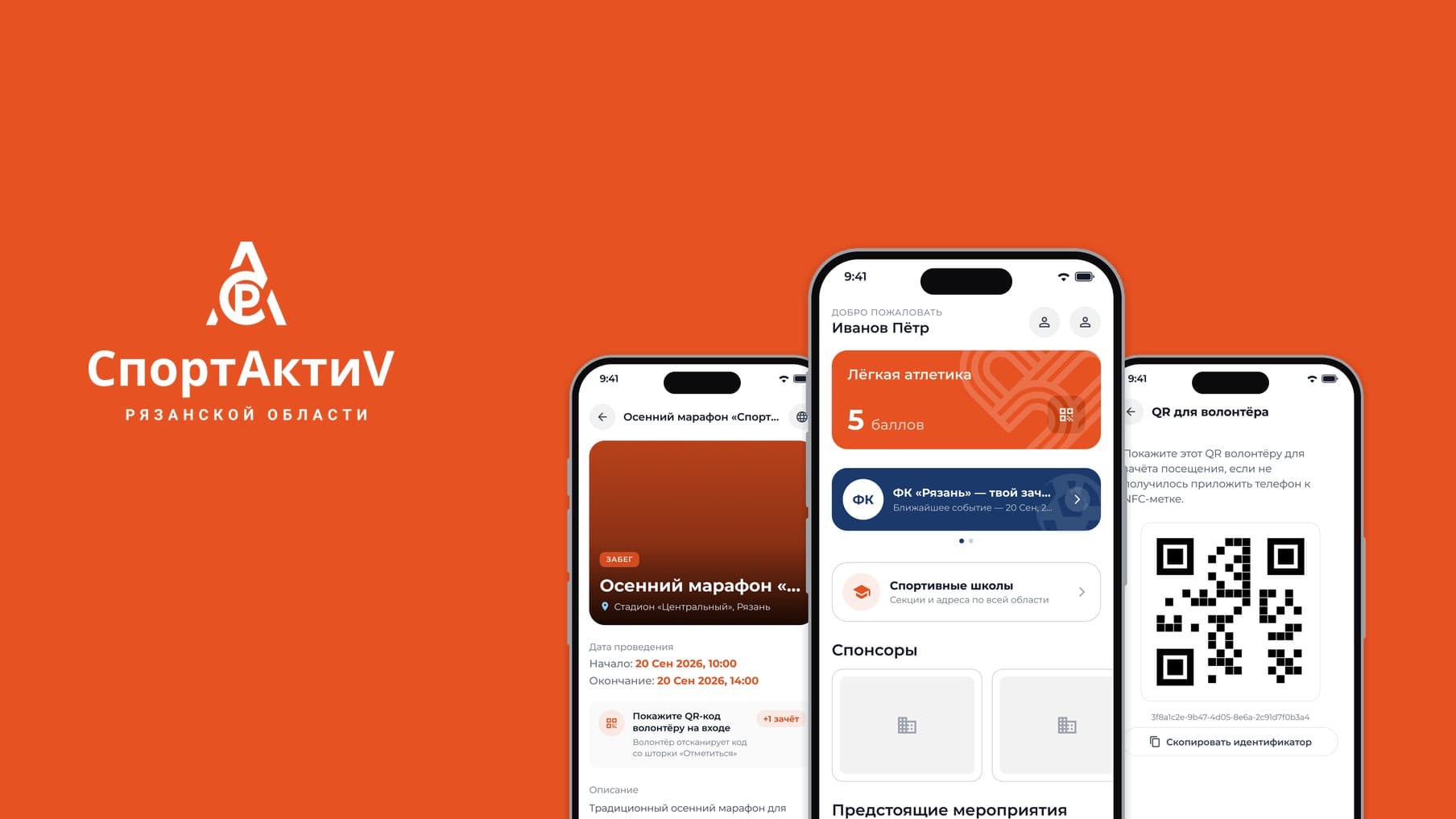
Russia Running
Built a web service for organizers and a mobile app for volunteers, integrated it with Russia Running and the backend
View case
PreventAge
Rebuilt an educational web platform with admin panel, payments and improved performance
View case
AnimalProfi
A cross-platform solution for the livestock professional community: mobile app and web admin service
View case
OKKIA
AI-driven frame selection by face shape and online try-on for an Italian eyewear brand
View case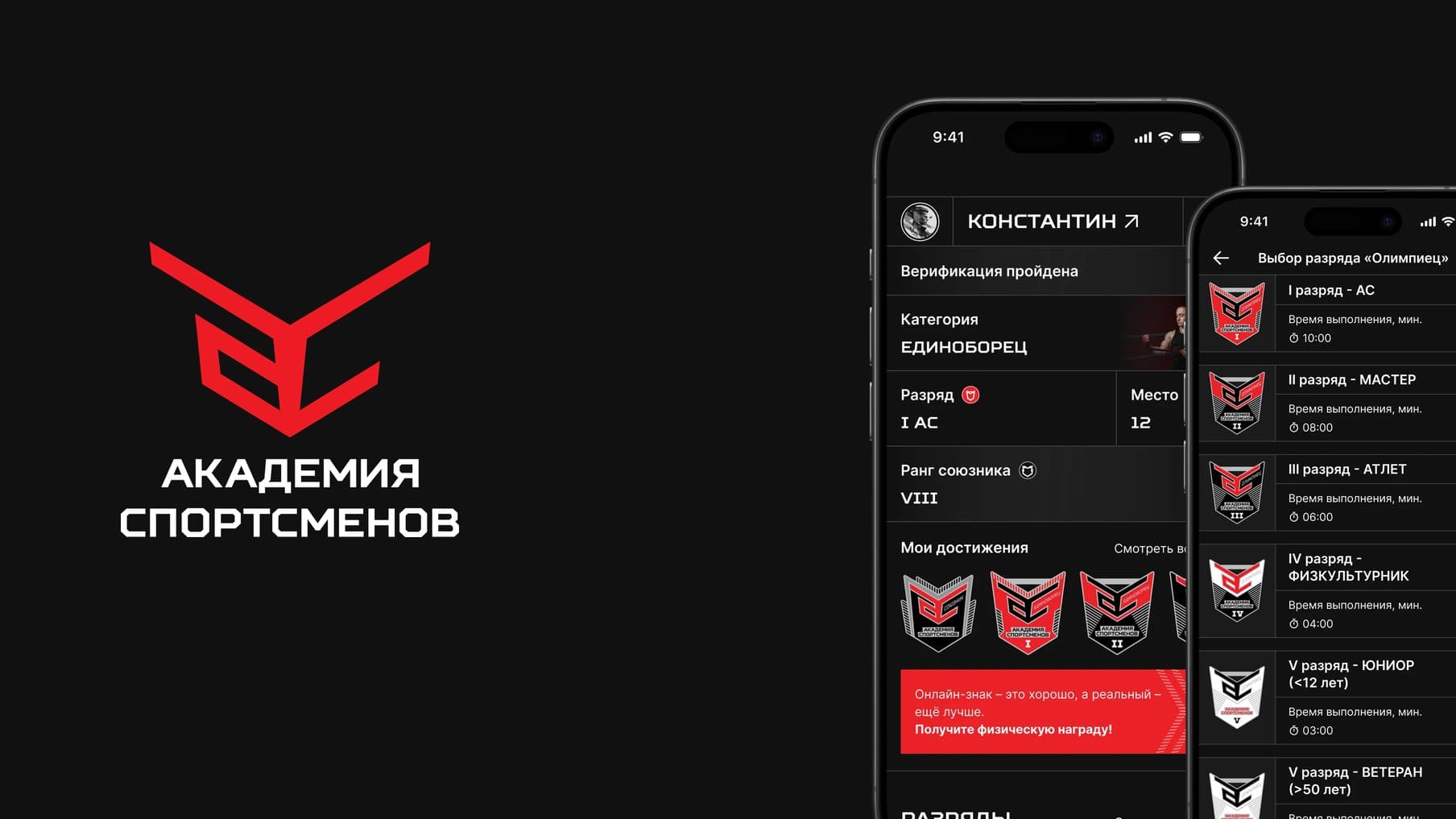
Athletes Academy
A mobile app and admin panel: athletes earn a sports rank on video and get the award by post
View caseCost depends on the number of roles, how complex the scenarios are and how many of your systems it integrates with — integrations usually drive the budget. We estimate after the process review: we fix the scope of the first release and price the stages separately so you can start smaller.
A first working version takes 2 to 3 months. A platform with a complex role model and several integrations takes 4 to 8 months. We name the exact timeline once the scope of the first release is clear.
Usually yes, and it costs less. We start with a code and architecture audit to see what is worth keeping and what has become a bottleneck. We propose a rewrite only when reworking would cost more, and we explain why.
A product owner who can make decisions, and access to the people who know the process from the inside. Most of your time goes into the start, during the scenario review; after that it's accepting iterations every two weeks.
Migration is planned during architecture, not in the final week. We prepare a field mapping, run a test migration on a copy of the data, and only then move the live data — with a way back.
We hand over the code and documentation. After that it's your call: we keep developing the product, take it on support under an SLA, or hand it to your team with training.
Tell us which process lives in email and spreadsheets — we'll suggest where to start and how to stage it.