

Anastasia Lugovaya
UI/UX Designer
Reading time: ~ 8 min
July 23, 2024
Anastasia Lugovaya·UI/UX Designer·Reading time: ~ 8 min·July 23, 2024
What is an MVP and how is it different from a prototype?
A Minimum Viable Product (MVP) has become a key part of modern digital product development methodology. Yet many people still confuse it with a prototype. In this article, we explain what an MVP is, its types, creation stages, common development mistakes, and examples of successful MVPs.
What is an MVP?
MVP stands for Minimum Viable Product — a version of a product with the minimum functionality needed to satisfy early customers and collect feedback for further improvement. An MVP does not have to be perfect. It only needs to perform its core function and validate whether the idea is viable. The main purpose of an MVP is to test hypotheses and minimize risk.
An MVP is not just a product with a minimal feature set; it is a strategic tool for testing and analyzing market demand. Companies use MVPs to launch quickly, gather data on user behavior and preferences before investing heavily in full-scale development, and identify problems early.
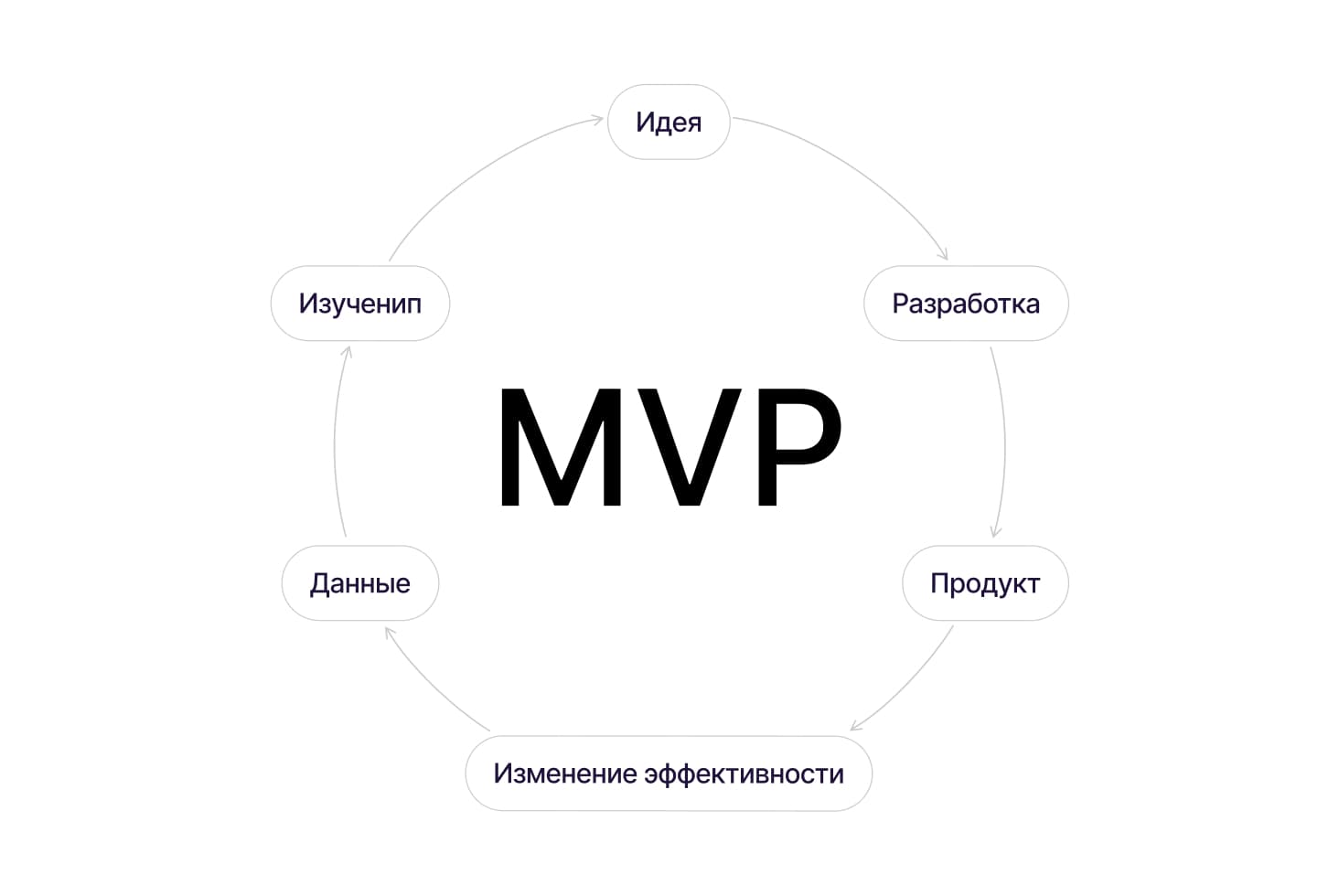
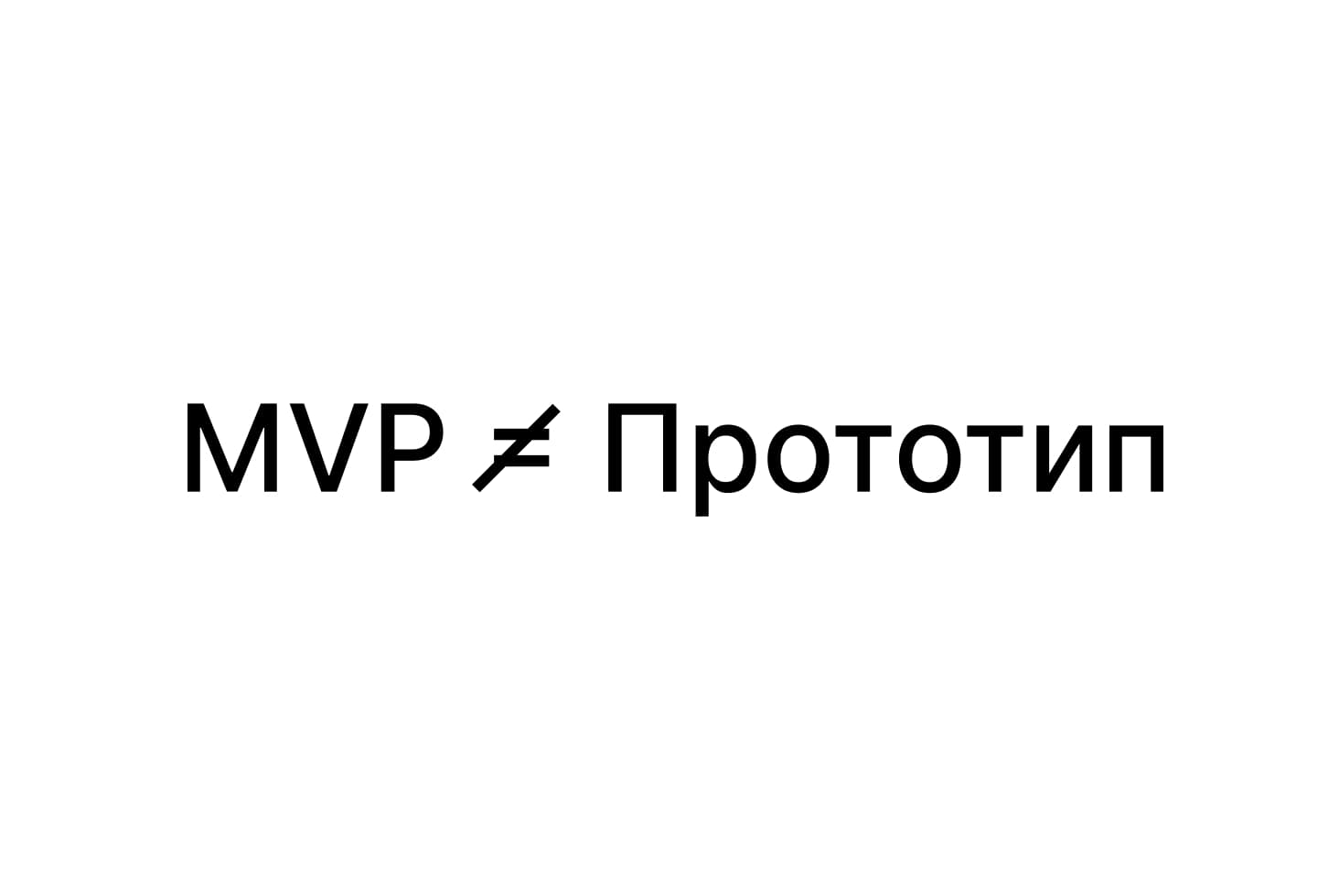
How an MVP differs from a prototype
- Goal: A prototype is meant to test a concept and collect feedback, while an MVP is built to launch on the market and gain real user experience.
- Functionality: A prototype may be non-functional or only partially functional, whereas an MVP must work and meet users' basic needs.
- Usage: Prototypes are used during design and development; MVPs are used at launch and for ongoing product improvement.
- Feedback: A prototype helps gather preliminary opinions; feedback on an MVP is aimed at improving an existing product.
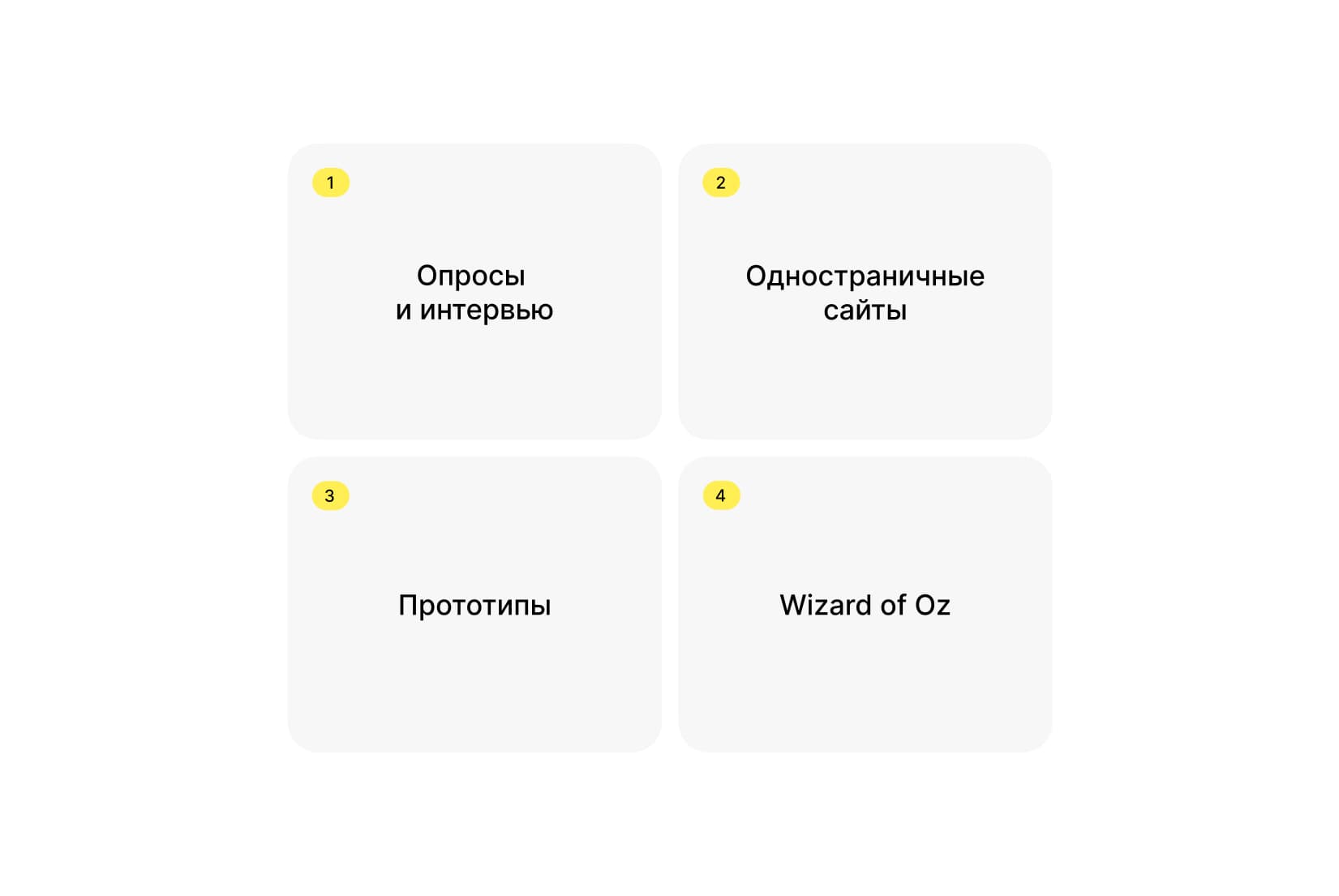
Types of MVP
MVP development can take different forms. Here are the main types:
- Surveys and interviews — Research to collect opinions and preferences from the target audience. They help identify which features users consider most important and which problems they want the new product to solve.
- Landing pages — Sites that briefly present the product idea and collect contacts from interested users. This helps gauge interest and potential demand.
- Prototypes — Early product versions with basic features that let users evaluate the core concept. Often used to demonstrate ideas and get early feedback.
- Wizard of Oz — The product appears automated, but processes are performed manually. This validates the concept and collects user data without building complex software.
- Mobile apps with limited functionality — Simple app versions to test key features, especially useful for companies building mobile products to quickly check user reactions.
Stages of building an MVP
Creating an MVP goes through several key stages:
- Idea and market research — Formulating the core idea and analyzing target audience needs, including competitors, pain points, and market potential.
- Defining key features — Choosing the minimum feature set needed to test the hypothesis, focusing on what is critical for users.
- Design and development — Building initial design and functionality in close collaboration with designers and developers.
- Testing and launch — Validating the product with real users and collecting feedback on problems and fit.
- Analysis and improvement — Analyzing data and implementing improvements based on feedback — an ongoing process as the product evolves.
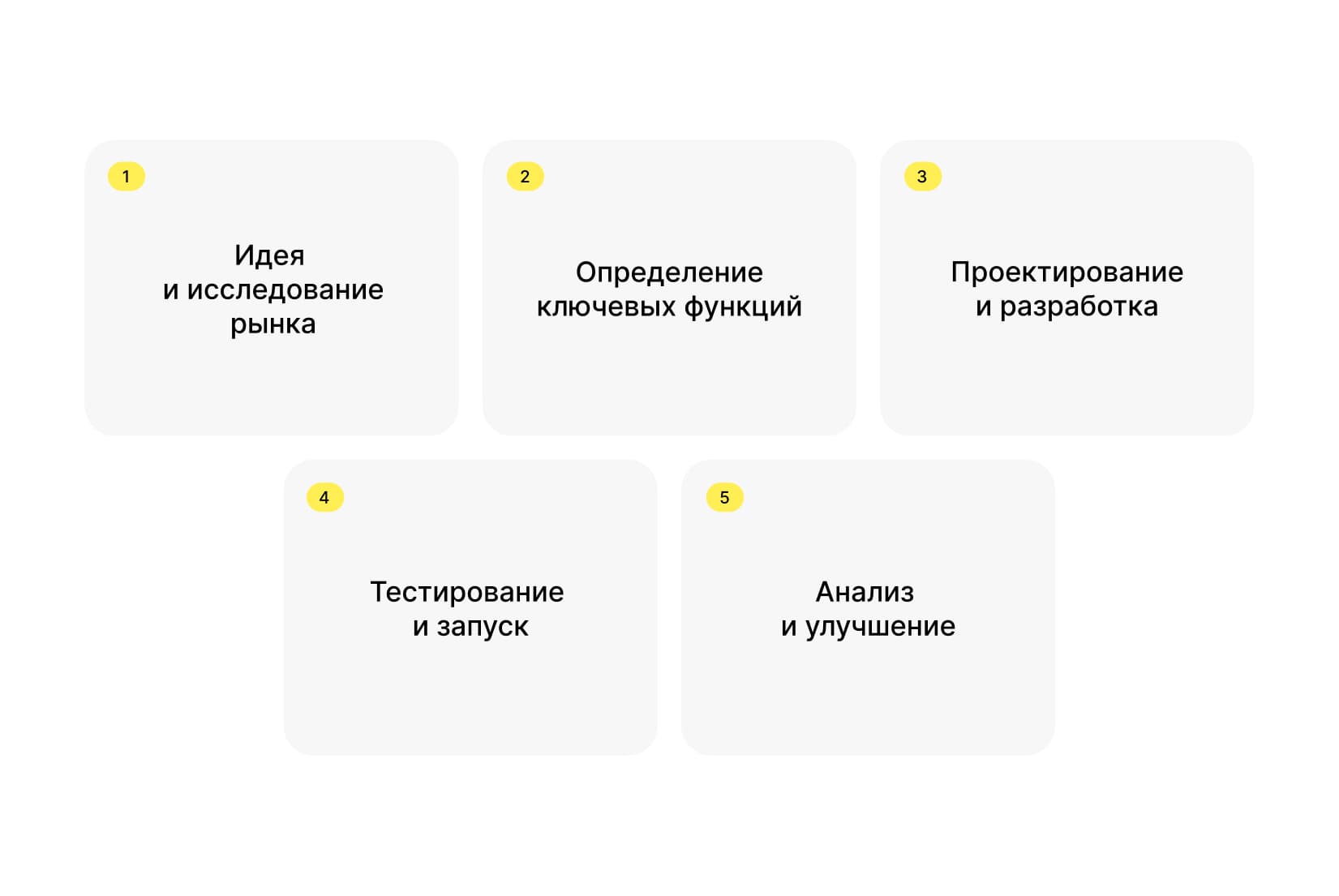
Each stage matters for a successful MVP launch. Doing them well minimizes risk and increases the chances of product success.
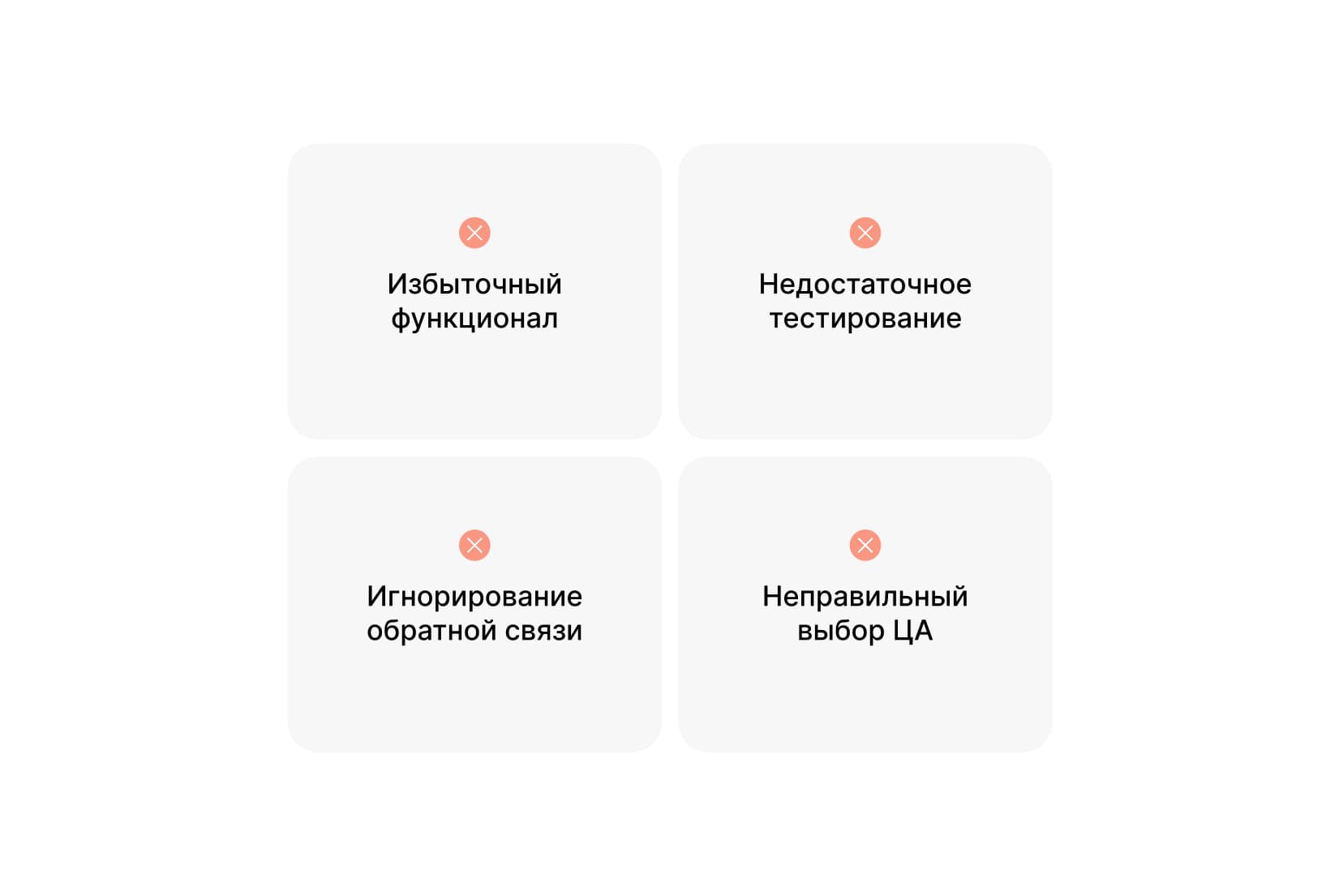
Common MVP mistakes
When building an MVP, teams often run into these mistakes:
- Feature bloat — Adding too many features, which contradicts the idea of minimalism, increases cost, and complicates testing and analysis.
- Insufficient testing — Skipping thorough testing with real users makes it hard to get accurate feedback and find issues.
- Ignoring feedback — Not accounting for early users' opinions can lead to a product that misses audience needs.
- Wrong target audience — Focusing on the wrong user group instead of clearly defining who you serve.
- Launching too late — Long MVP development can make the idea outdated; shipping fast helps you react and learn.
MVP examples
1. Dropbox
One of the most famous MVP examples is Dropbox. Instead of building complex software, the Dropbox team created a simple video demonstrating core functionality. This allowed the company to gauge audience interest and collect preliminary sign-ups. The video helped confirm that users were genuinely interested in such a product, giving the team confidence to continue development.2. Zappos
Zappos, the largest online shoe store, started with a simple MVP. The founder photographed shoes in local stores and posted the images on his website; when someone placed an order, he bought the shoes in the store and shipped them to the customer. This validated online shoe sales without building a large warehouse or investing in logistics.3. Airbnb
Airbnb also started with a minimal product. The founders rented out their own apartment to test whether people would be willing to rent lodging from strangers. That experience became the foundation for the platform's further development. The feedback collected helped improve the service and adapt it to users' real needs.4.Facebook
Facebook began as a social network for Harvard students. It was an MVP with minimal features: user profiles and the ability to add friends. Over time the platform grew and new features were added, but the core concept remained unchanged — connecting people and making communication easier.5. Spotify
Spotify started with a simple desktop application that let users stream music. The main focus was on sound quality and fast access to tracks. This MVP allowed the company to collect data on user preferences and prepare the platform for scaling.Conclusion
Thus, a prototype is designed to test a concept and collect feedback, while an MVP is created to launch on the market and gain real user experience.
- In functionality: A prototype may be non-functional or only partially functional, whereas an MVP must work and meet users' basic needs.
- In usage: Prototypes are used during design and development; MVPs are used at product launch and for ongoing improvement.
- Feedback: A prototype helps gather preliminary opinions; feedback on an MVP is aimed at improving an existing product.