

Sergey Galaktionov
CTO
Reading time: ~ 7 min
July 23, 2024
Sergey Galaktionov·CTO·Reading time: ~ 7 min·July 23, 2024
What is Flutter and how is it related to Dart
Flutter and Dart have become popular tools in mobile development. In this article, we cover what Flutter is, what makes Dart special, the pros and cons of cross‑platform development, and examples of projects built with these technologies.
What is Flutter?
Flutter is an open-source framework for building cross-platform applications, developed by Google. It allows you to build Android and iOS apps from a single codebase.
Flutter uses the Dart programming language and provides a rich toolkit for building attractive, high-performance user interfaces. Unlike some cross-platform approaches, Flutter compiles to native machine code rather than relying on web views or heavy runtime interpretation, helping deliver strong performance and a native look and feel.
Flutter was introduced in 2017 at Google I/O and is used today not only for mobile apps, but also for web and desktop applications on Windows, macOS, and Linux.

Key features of Dart
Dart is an object-oriented programming language developed by Google. It is used primarily for web applications and Flutter apps. Key Dart features include:
- Simplicity and readability — a clear, approachable syntax that makes the language easy to learn and use.
- Execution speed — compiles to native machine code for high performance.
- Asynchronous programming — built-in support that makes it a great fit for high-performance apps.
- Rich library ecosystem — a wide range of standard libraries for common tasks.
Dart was created to improve development and maintenance of large and complex projects. The language supports strong typing, which helps prevent many compile-time errors and makes debugging easier. Dart also includes modern programming concepts such as closures, mixins, and generics, making it a powerful tool for building complex applications. A key Dart advantage is its tight integration with Flutter. Dart enables cross-platform development using a single codebase, which simplifies development and testing and reduces maintenance costs across platforms.
Pros of using a cross-platform approach
Using cross-platform tools like Flutter offers several significant advantages:
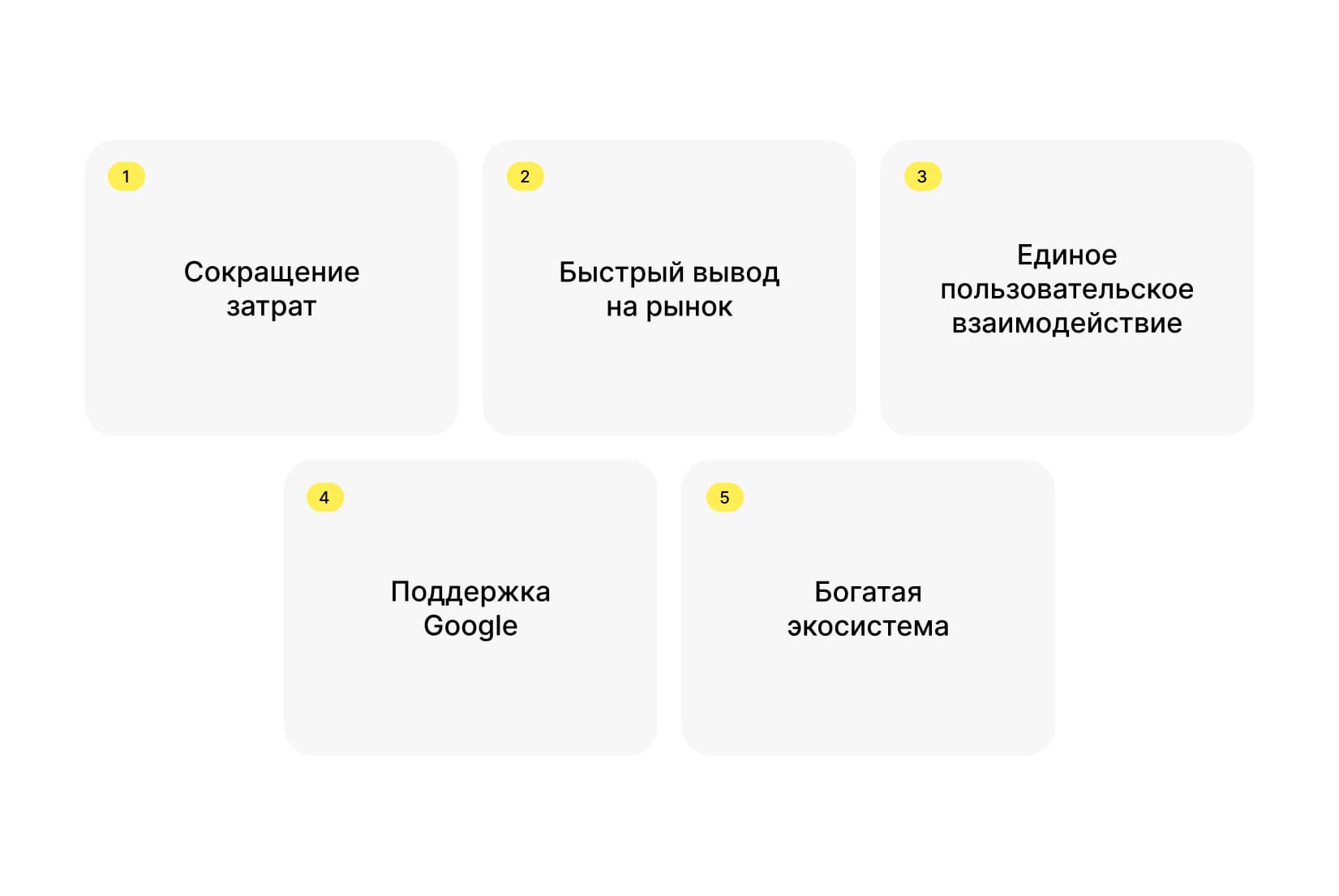
- Lower costs — one codebase for multiple platforms reduces the time and resources needed to build and maintain apps.
- Faster time to market — shared code helps release products sooner.
- Consistent user experience — a unified UX across platforms improves how users perceive the app.
- Backed by Google — actively supported and developed, helping ensure long-term relevance and reliability.
- Strong ecosystem — a rich set of widgets and libraries for building attractive UIs.
Flutter lets you build native-like interfaces using widgets that are easy to customize. This helps teams create unique UIs that look and behave consistently across platforms. Flutter also supports hot reload, so you can see code changes instantly without restarting the app — significantly speeding up development and testing.
In addition, Flutter includes powerful testing capabilities. Developers can use built-in tooling for unit tests, integration tests, and UI tests, which simplifies quality assurance and improves app stability.
Challenges of using Flutter for development
Despite many benefits, Flutter also comes with challenges:
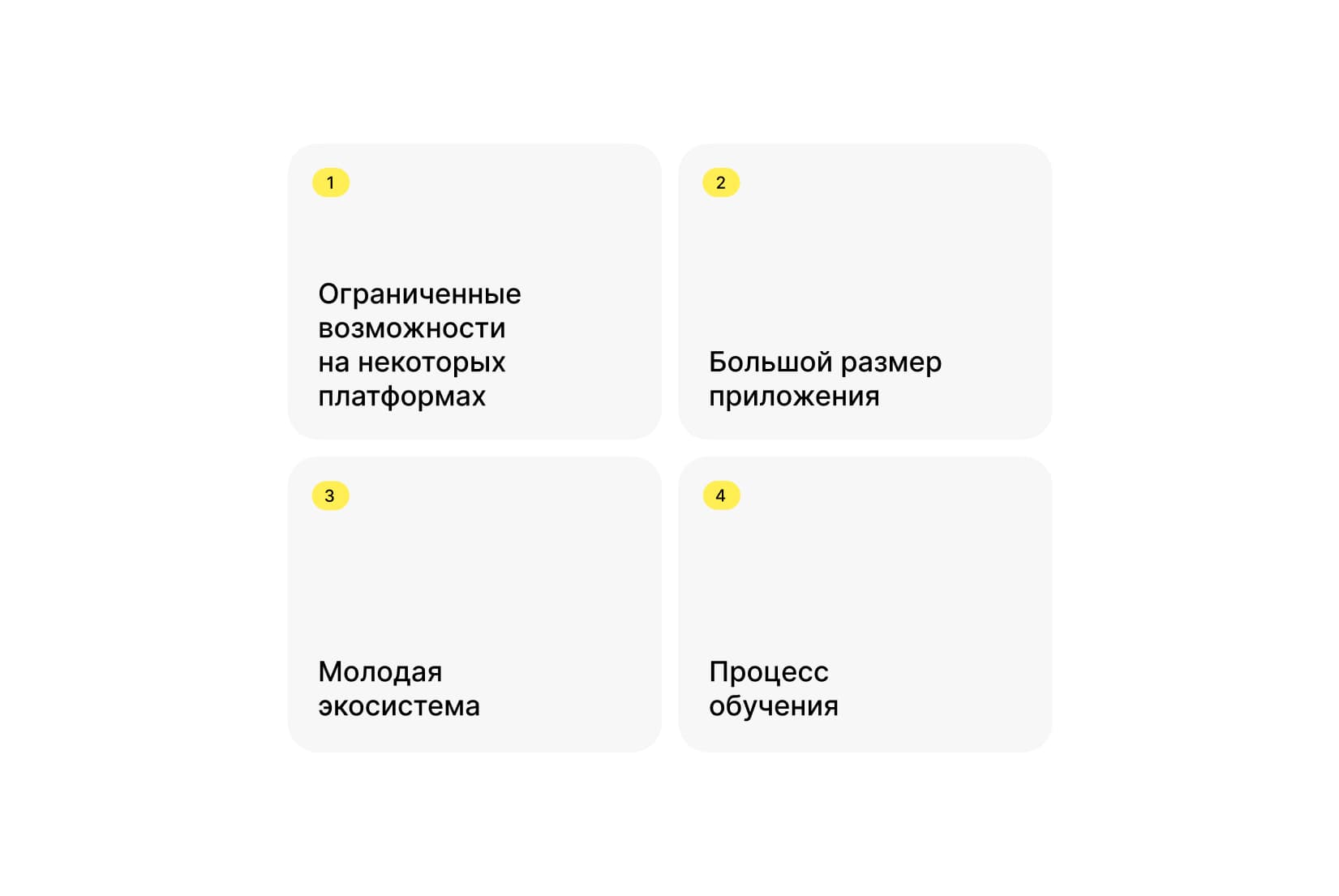
- Platform limitations — some platform-specific features may be unavailable or require extra effort to implement.
- Larger app size — Flutter apps can be bigger than fully native apps, which can affect download/install times.
- Young ecosystem — some libraries and tools may have limited support.
- Learning curve — teams unfamiliar with Dart may need time to learn the language and Flutter specifics.
Flutter evolves quickly, and each update brings new features and improvements. However, some capabilities that are easy to access in native development environments can be difficult or impossible to implement in Flutter without additional plugins or custom platform code.
What projects use Flutter
Flutter suits many types of projects thanks to its flexibility and performance. For example:
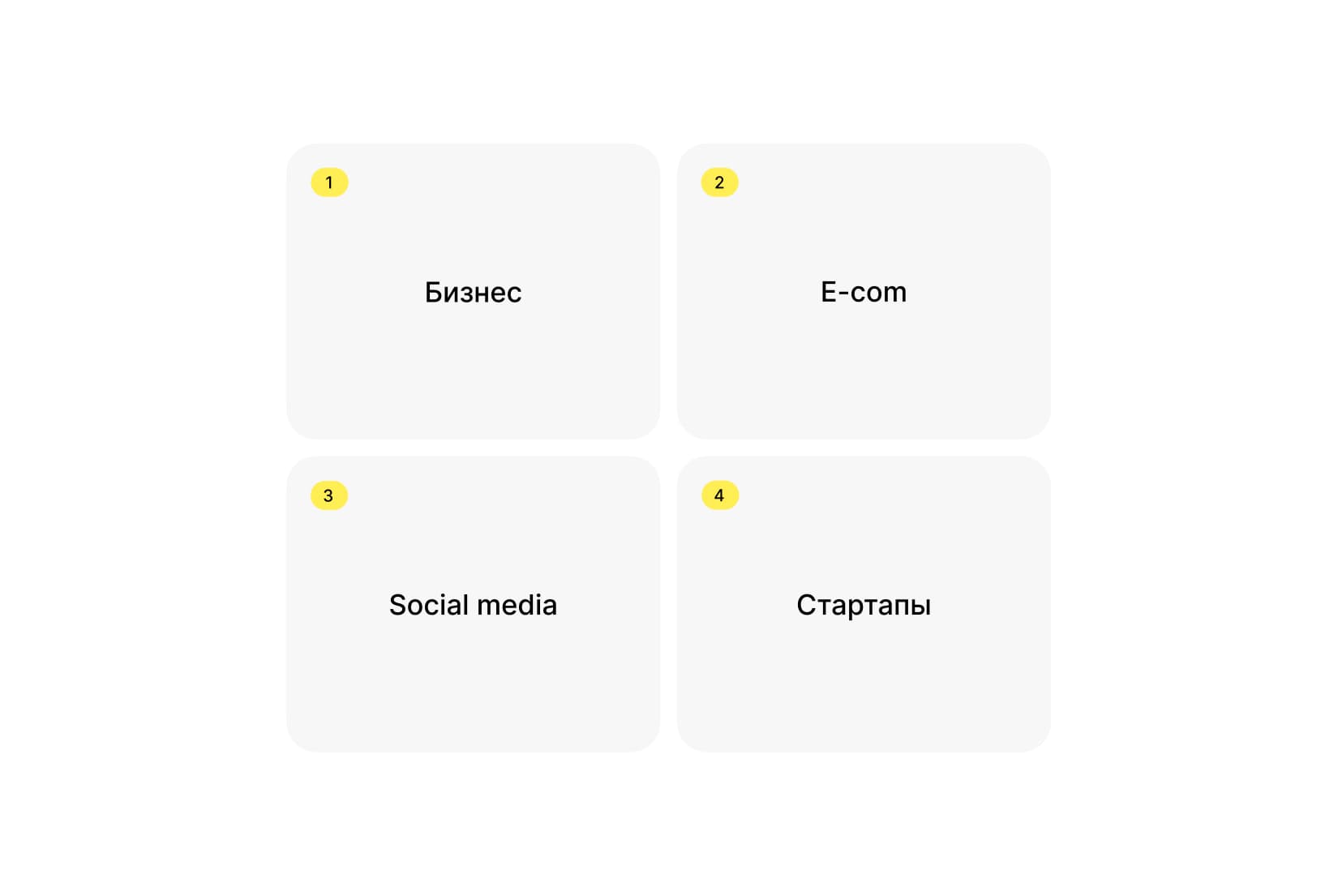
- Business apps — the ability to respond quickly to change and update features frequently.
- E-commerce apps — fast, visually appealing interfaces for online stores.
- Social networks and messengers — strong performance and interactive UI elements.
- Startup apps — rapid launch and idea validation while saving time and resources.
Flutter is also used to build web and desktop applications, making it a versatile tool. Companies can create unified cross-platform solutions that work across devices and platforms while delivering a consistent user experience.
Popular apps built with Flutter
Flutter is used by many large companies to build popular apps. Here are a few examples:
1. Google Ads
The official mobile app for managing Google advertising campaigns. It lets you track performance, adjust bids, and receive notifications. Flutter helped Google deliver a fast, intuitive interface across mobile platforms.2. Alibaba
Uses Flutter to power parts of its mobile platform, enabling users to shop and manage orders. Alibaba’s Flutter-based experience delivers high performance and stability — crucial for a large e-commerce product.3. Reflectly
A journaling and self-reflection app built with Flutter. It offers a clean, intuitive interface and rich functionality for writing thoughts, tracking mood, and reflecting on emotions — making it popular with users focused on mental well-being.4. Hamilton
The official app for fans of the “Hamilton” musical, built with Flutter. It provides exclusive content, news, and tickets. Flutter helps deliver a high-quality interface and reliable performance, supporting user engagement and retention.5. Tencent
Tencent uses Flutter across various mobile apps, including social and gaming products. Flutter helps these apps achieve strong performance and attractive design, supporting competitiveness in the mobile market.
How we work with Flutter
Our Flutter development process includes the following stages:
- Analysis and planning — gathering requirements and analyzing the market to define key product features. We study the target audience, competitors, and market trends to shape a unique and in-demand app.
- UX/UI design — building prototypes and design layouts with a strong focus on user experience and usability. Our designers apply a UX-driven approach and conduct research to create truly convenient interfaces.
- Development and testing — implementing the app in Dart and testing it to ensure it works reliably and meets quality standards. We use best practices in development and testing to deliver stable, robust products.
- Launch and support — publishing the app to Google Play and the App Store, then providing ongoing support and updates. We respond quickly and keep apps up to date so they continue to meet user needs.
Conclusion
Flutter and Dart are powerful tools for building cross-platform mobile applications. They offer strong performance, an approachable developer experience, and fast iteration — making them a good fit for many project types. While Flutter has some challenges, its advantages often outweigh its limitations, as demonstrated by many successful apps built with it.
Using Flutter and Dart helps companies reduce development costs, ship faster, and create apps with excellent UI and strong performance. Successful products like Google Ads, Alibaba, and Reflectly show how effective these tools can be and inspire new innovative solutions.
If you’re looking for a reliable approach to mobile development, Flutter and Dart are a great choice. They can help you cut costs, speed up time to market, and build an app with a polished interface and high performance.