

Evgeny Ramazanov
CTO
Reading time: ~ 5 min
November 27, 2024
Evgeny Ramazanov·CTO·Reading time: ~ 5 min·November 27, 2024
What is IT outstaffing?
Outstaffing is a model where a client company hires specialists through an outstaffing provider. Unlike traditional hiring, specialists remain on the provider's payroll but work at the client's office or remotely, performing tasks like regular employees and integrating into the team. This approach lets companies expand headcount quickly without dealing with the legal and administrative aspects of employment. This cooperation format is especially popular in IT, where demand for highly qualified talent is constant and competition for specialists is fierce. In a fast-changing business environment, outstaffing helps scale teams quickly, optimize resources, and solve staffing challenges without extra time and cost.
How outstaffing works
Outstaffing is a type of external hiring where specialists are employed by an outstaffing company, not by you, but they do your work. In practice, the client gets access to highly qualified talent while avoiding the time and resources spent on search, selection, and employment paperwork.
Outstaffing is not outsourcing. Unlike outsourcing, where a third party takes on entire processes or projects, outstaffing means employees work on the client's premises, join the team, and participate in project development. They can be part of the team but are not on the client's payroll.
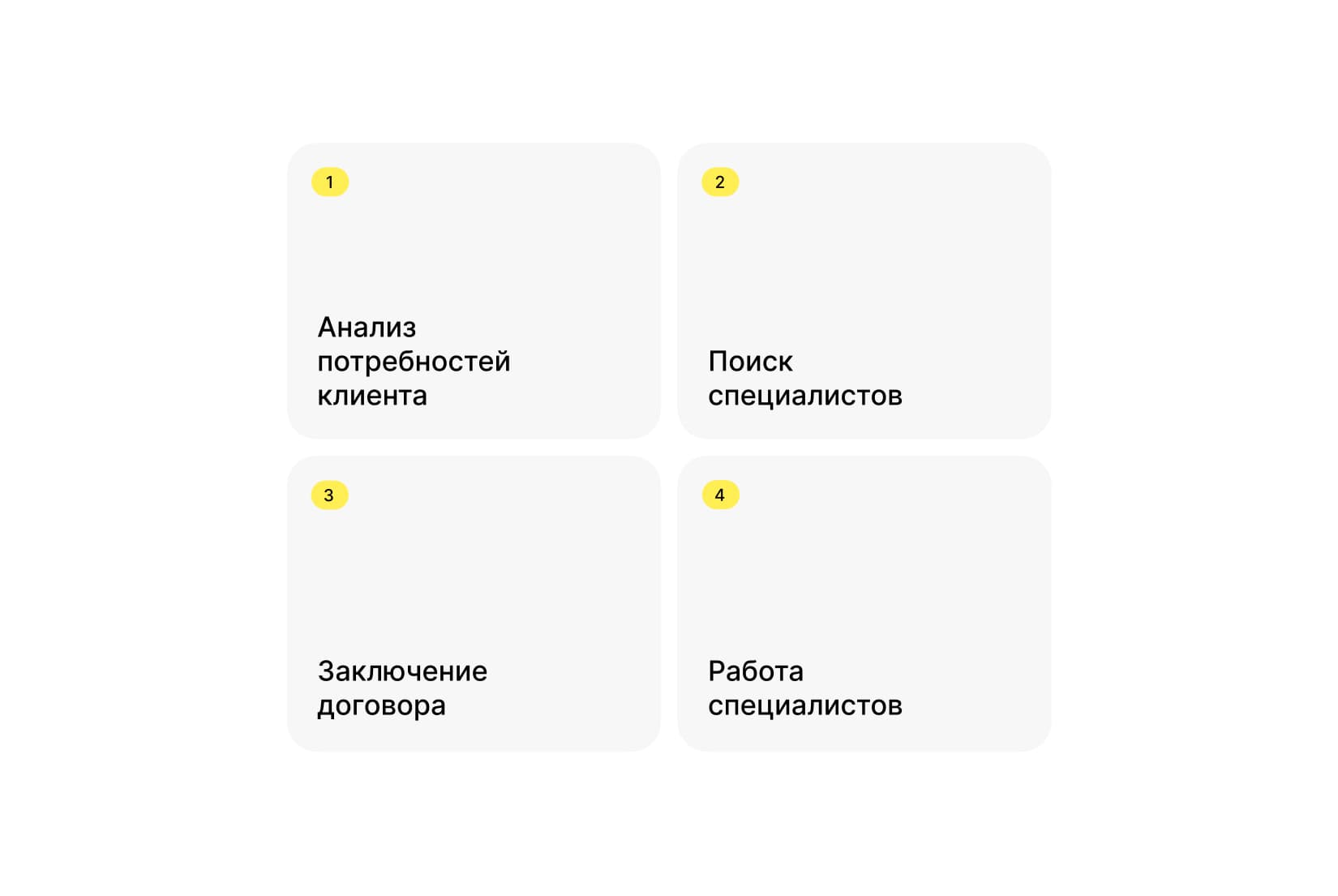
Key stages in the outstaffing model:
- Client needs analysis: the client provides information about the project and required competencies.
- Specialist search: the outstaffing company selects qualified specialists who meet the stated requirements.
- Contract signing: the client and outstaffing company sign a contract that defines work and payment terms.
- Specialists at work: specialists start working on the client's premises, performing tasks like regular employees while remaining employed by the outstaffing company.
- Support and management: the outstaffing company continues to manage employment relations (salary, taxes, vacation, sick leave).
Benefits of IT outstaffing
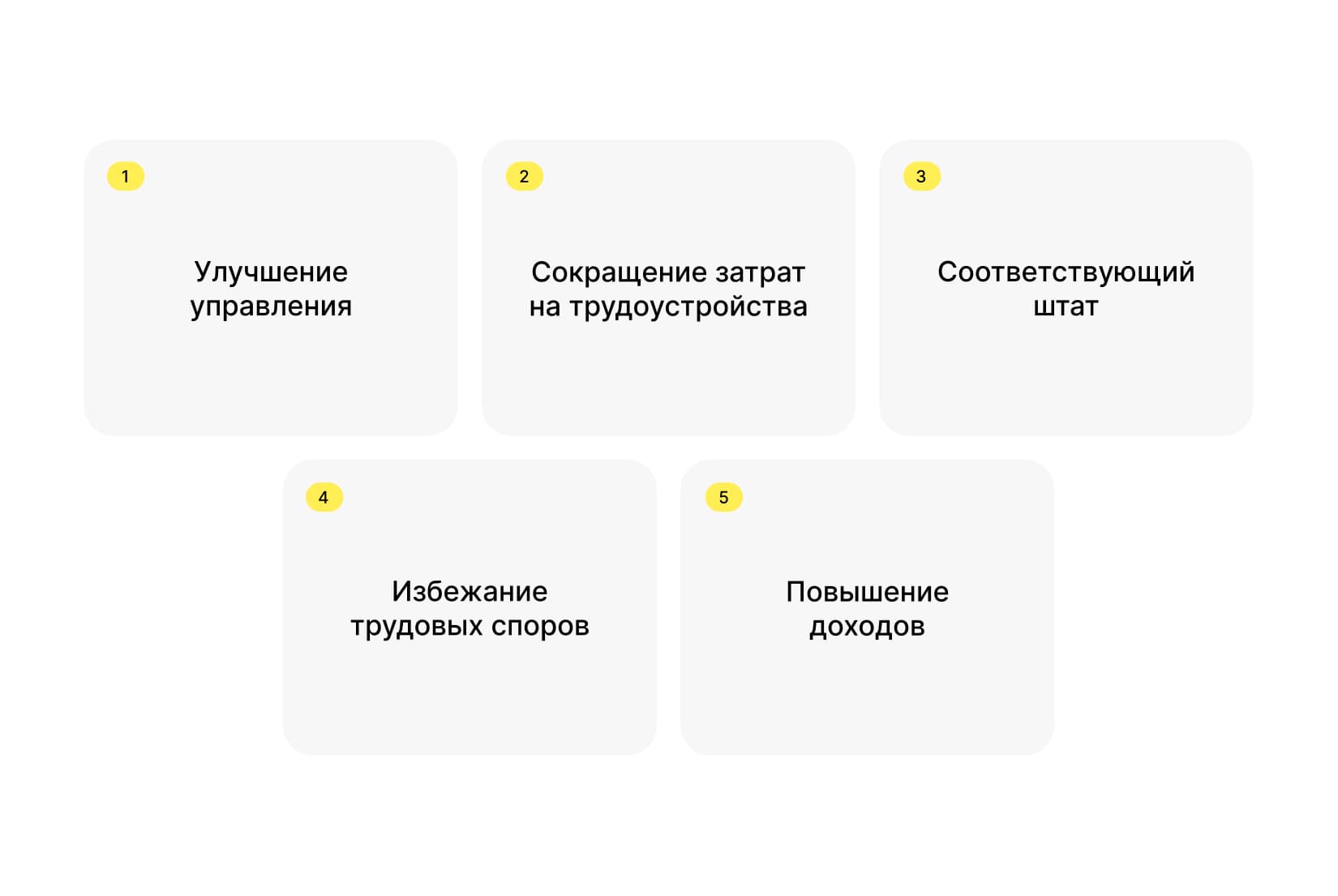
- Flexibility in scaling the team: one of the main benefits is the ability to quickly bring in specialists for specific tasks. This is especially relevant for IT projects, where resource needs can vary greatly by development stage. For example, if you suddenly need extra capacity to ship new features, outstaffing can provide the right specialists within days.
- Time savings on hiring: recruiting takes significant effort and time. With outstaffing, you avoid interviews, candidate search, and employment negotiations. The outstaffing company already has specialists ready to start.
- Lower HR administration costs: all administrative processes related to employment are handled by the outstaffing company. The client does not need to manage documentation, taxes, payroll, or social benefits—freeing focus for project work.
- Access to qualified specialists: IT often requires rare, specific skills. If your company builds unique software, you may need someone with experience on a particular platform or programming language. An outstaffing provider can supply such specialists quickly, cutting search time.
- Quality control: although specialists are on the outstaffing company's payroll, they fully integrate into the client's team. The client can control how tasks are done, set deadlines and requirements, and organize work at the needed intensity.
Outstaffing vs outsourcing
Outstaffing and outsourcing are two different approaches to working with external contractors. Both can reduce costs and speed up project delivery, but there are important differences between them.
Outsourcing example:
Suppose your company decides to build a web application but does not have the right specialists in-house. You turn to an outsourcing company that provides a team of developers, testers, designers, and analysts. That team fully takes on the project, including development, testing, and application support. In this case, you are not involved in hiring staff, and the team completes all tasks without your company being directly involved in the processes.Outstaffing example:
In another case, your company continues developing a web application and already has in-house specialists handling the project architecture. To speed things up, you decide to bring in an additional frontend developer. Instead of searching for a candidate internally or going through a long outsourcing process, you turn to an outstaffing company that provides an experienced frontend developer. They integrate into your team, work in your office or remotely, but remain an employee of the outstaffing company, which manages their employment. Thus, with outsourcing, a company hands the entire project work to an external executor, while with outstaffing it brings in specialists to perform specific tasks but continues to control processes within its own team.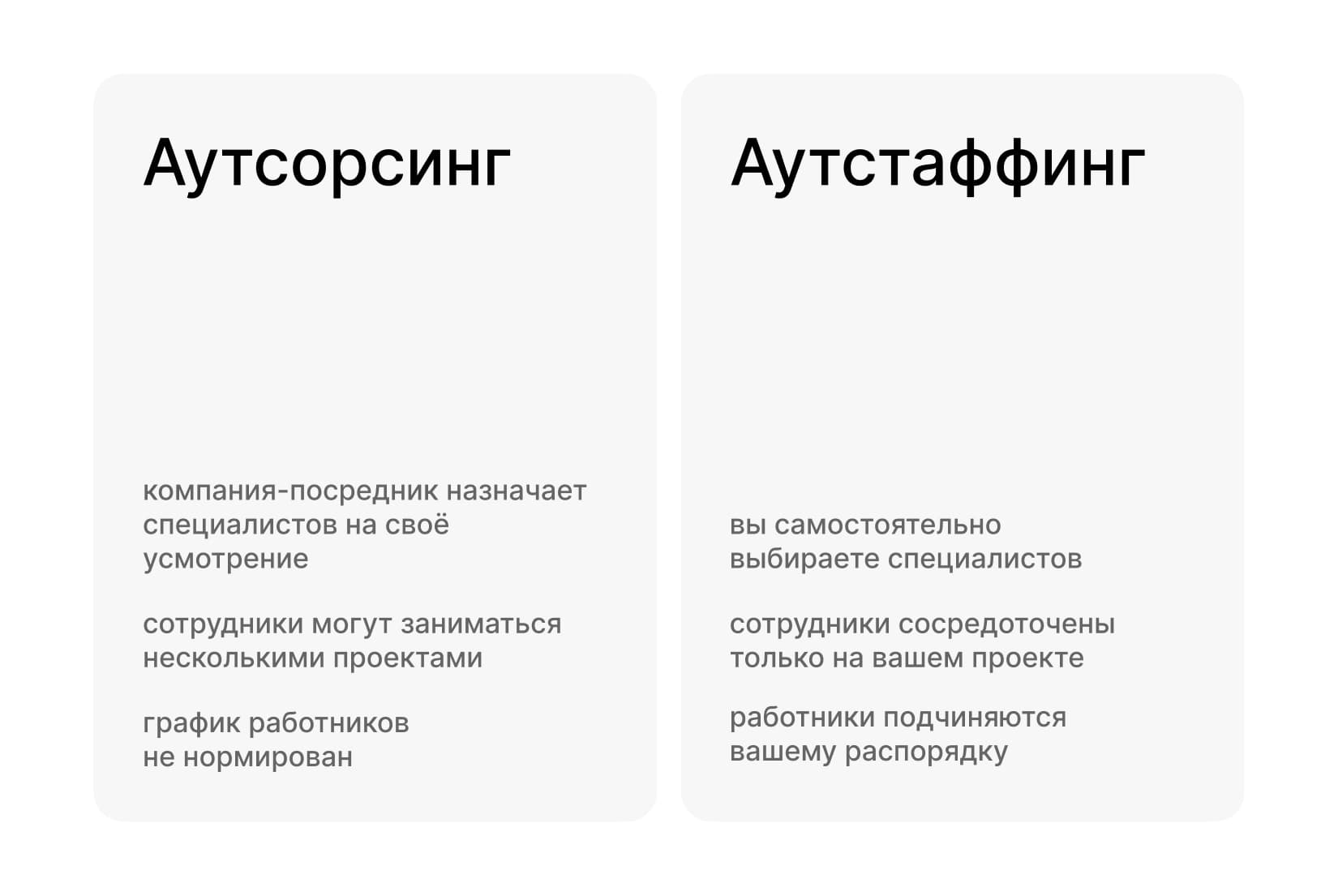
When to use outstaffing
- When you need to scale the team quickly: if a project urgently needs more specialists, outstaffing is often the best choice—for example when a new development phase appears or niche expertise was not planned upfront.
- When speed and flexibility matter: when you must adapt quickly to project or technology changes, outstaffing lets you react fast and bring in the right people on short notice.
- When you need specific skills: sometimes tasks require narrow expertise your team does not have—for example building a module in a language only a few specialists on the market know. An outstaffing provider gives access to such rare talent.
- When you want to reduce legal and HR load: for some companies, employment administration is complex and time-consuming. Outstaffing lets you focus on the project without worrying about taxes, social contributions, and other legal aspects.
Drawbacks of outstaffing
- Limited control over employees: although outstaffed specialists are part of your team, you may not manage them as directly as your own employees. Employment matters stay with the outstaffing company.
- Security and confidentiality risks: when specialists work under outstaffing, ensure NDAs and data protection clauses are properly defined in the contract to avoid leaks and security threats.
- Dependence on the provider: in long-term partnerships with one outstaffing company, you may depend on them for staffing, which can limit flexibility and increase risk if their policies change.
Conclusion
IT outstaffing is an effective tool for staffing challenges: it helps companies bring in the right specialists quickly, scale teams, and minimize administrative overhead. It fits projects with high qualification requirements as well as temporary, flexible needs. Choose your outstaffing partner carefully—reputation, specialist quality, and contract terms—to get the most from this model.